New Emissions Mandates: The Hidden Cost of Compliance for Small Fleets

What changed
The regulatory landscape for heavy-duty trucking has shifted significantly. The EPA has finalized updated greenhouse gas emissions standards for heavy-duty vehicles, a move that effectively increases the barrier to entry for older equipment EPA. For the independent owner-operator, this isn't just an abstract policy update—it is an immediate operational hurdle that complicates the viability of running older, high-mileage rigs.
How it works
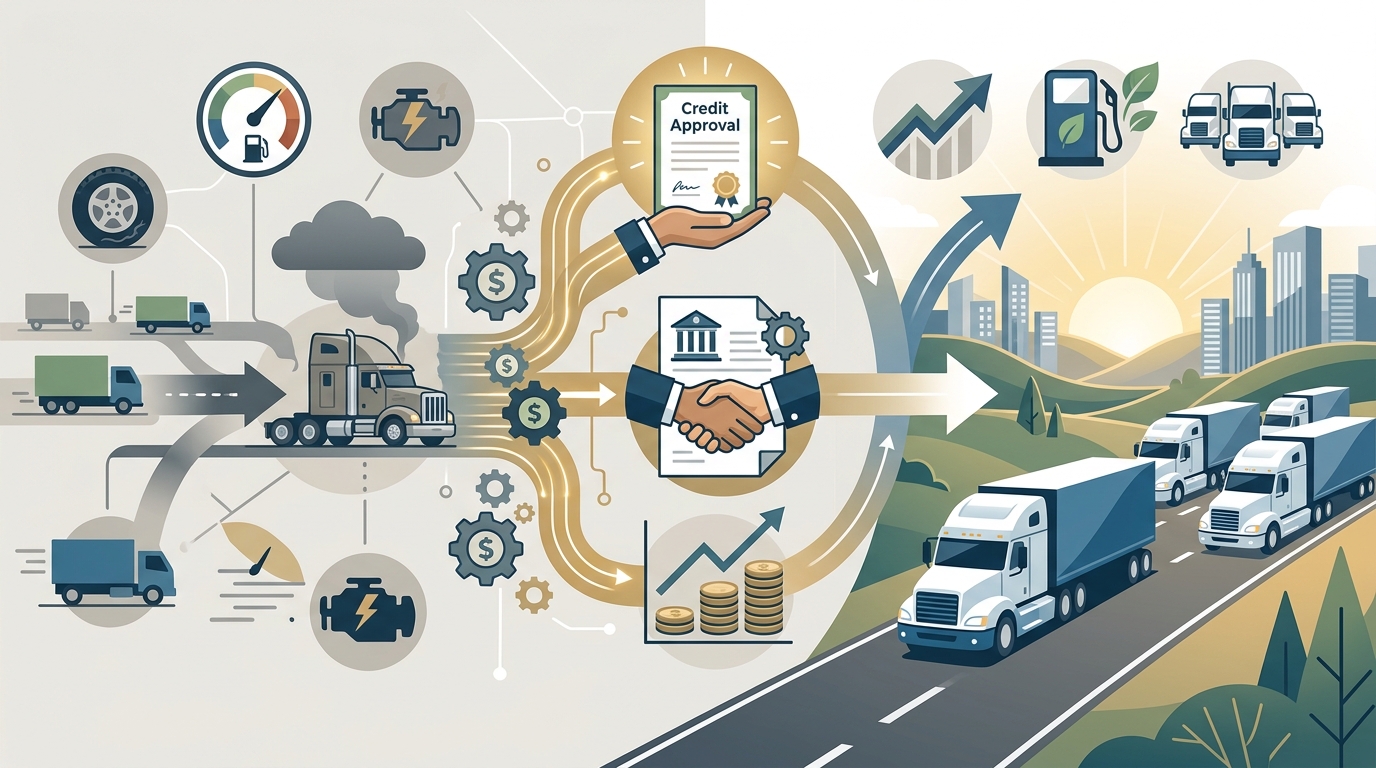
Both the EPA and industry data agree that the path forward requires newer, technologically compliant equipment. The EPA’s ruling focuses on enforcing tighter emissions limits, which necessitates advanced exhaust and engine management systems EPA. Simultaneously, the Commercial Carrier Journal reports that the market has responded with a 15-20% increase in financing requirements to accommodate these specific regulatory tech add-ons CCJ. While the sources arrive at this from different angles—one regulatory, one market-driven—they align on the outcome: the price tag for remaining compliant has risen sharply.
Who it hits
This trend disproportionately impacts independent owner-operators and small fleets with 1-5 trucks. Larger carriers often have established relationships with OEMs and banking partners to manage equipment turnover cycles. In contrast, smaller operators who rely on the secondary market for reliable, older equipment now face a double-edged sword: a shrinking supply of affordable rigs and higher borrowing costs for newer units. The "barrier to entry" cited by the EPA essentially raises the floor on what is considered a "road-ready" asset, leaving budget-conscious contractors with fewer options for scaling or maintaining their current operations.
Why this matters for your bottom line
For an independent operator, a 15-20% increase in financing costs isn't just a line item; it directly impacts your cost-per-mile. If you were planning to upgrade your rig to avoid repair headaches or regulatory scrutiny, you now need to account for a financing package that is significantly more expensive than it was even two years ago. This shifts your debt-to-income ratio, which may make it harder to qualify for standard equipment loans unless you have optimized your books for the current lending environment.
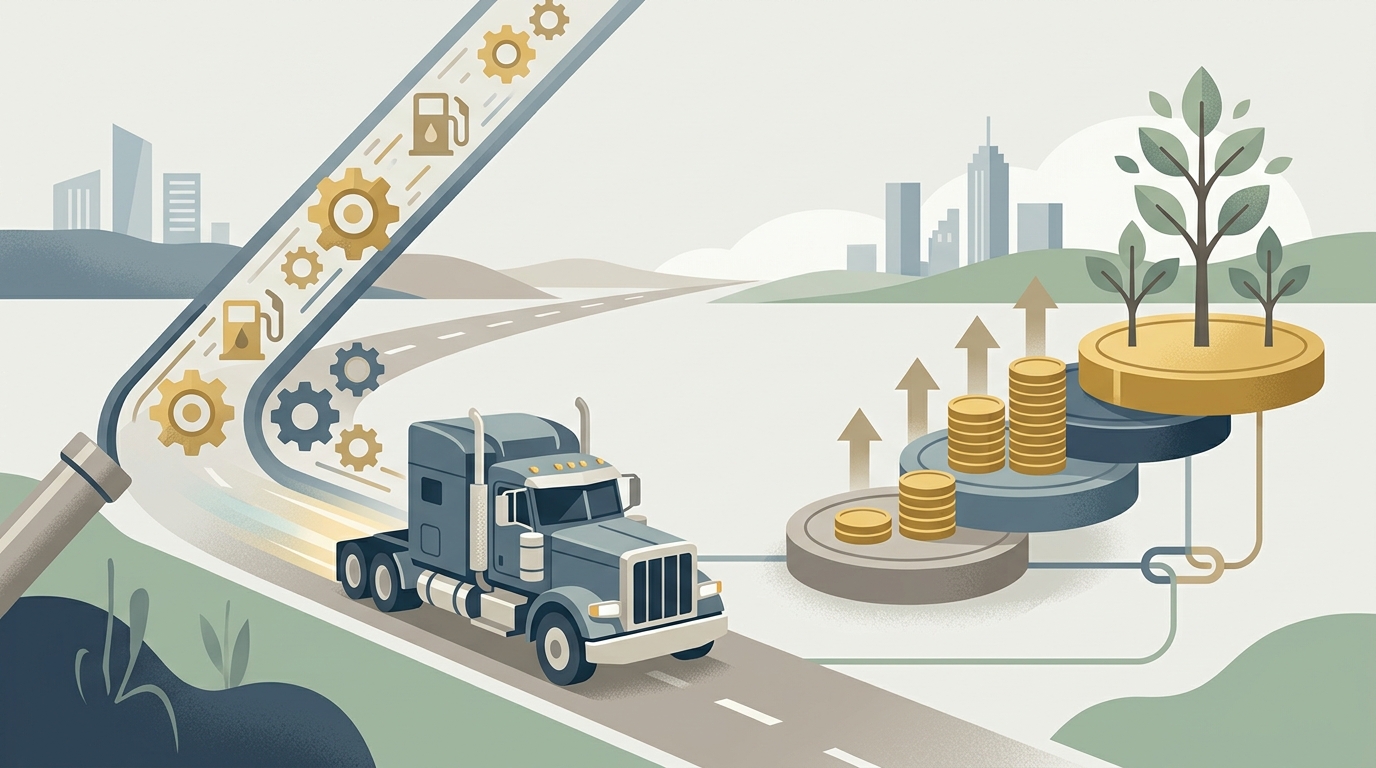
Furthermore, this capital squeeze comes at a time when cash flow is already tight due to fuel volatility and spot market fluctuations. Securing financing now requires more than just decent credit; it requires showing lenders that your upgrade will actually improve your compliance-related revenue rather than just adding to your debt load. If you are looking to bridge the gap between an aging fleet and the requirements of the future, you need to lock in favorable rates before further regulatory shifts potentially tighten lending criteria even more.
Bottom line
Rising emissions standards have effectively increased the cost of doing business by inflating equipment financing needs by up to 20%. To stay profitable, owner-operators must secure competitive financing today to replace non-compliant assets before they become un-runnable liabilities.
Check your financing rates and see if you qualify for equipment upgrades here.
Disclosures: This content is for educational purposes only and is not financial advice. truckers.solutions may receive compensation from partner lenders, which may influence which products are featured. Rates, terms, and availability vary by lender and applicant qualifications.
What business owners say
4.9-
This company was lightning fast and the experience was amazing. Thank you, Dan — you're a real pro!
-
Good service Joseph Krajewski is the best agent ever. He provided excellent service. I strongly recommend working with him if you have the opportunity.
-
They gave me a chance when nobody else would. I'm very satisfied.
Frequently asked questions
How much have equipment financing costs increased recently?
According to reports in the Commercial Carrier Journal, small fleets are seeing a 15-20% jump in equipment financing requirements to cover the costs of new regulatory technology.
Why is the EPA mandate affecting my ability to operate?
The EPA's finalized greenhouse gas emissions standards are creating higher barriers to entry for older equipment, essentially pushing non-compliant, older rigs out of the market.
Does this mandate only affect massive carriers?
No. While large fleets have economies of scale, independent owner-operators are disproportionately impacted because the higher barrier to entry for compliant equipment hits their smaller capital reserves much harder.
- Truck Loan Requirements (29/09/2026)
- Truck Loan Terms | Compare (29/09/2026)
- Understanding 404 Errors on Trucking Finance Sites and How to Fix Them (25/09/2026)
- How to Read and Understand Trucking Financing Documents in 2026 (22/09/2026)
- Mastering the Micro Credit Program for Owner‑Operators in 2026 (10/09/2026)
- Understanding ECS Task Credentials for Secure Trucking Finance Systems in 2026 (10/08/2026)
- Pay‑Month Leasing: Boost Your Trucking Business in 2026 (10/08/2026)
- Securing AWS Credentials for Trucking Financiers: Best Practices in 2026 (10/08/2026)